Beyond the Hype: Digital Art and the NFT Reckoning
For a brief moment, it seemed like the art world had been completely rewritten. In 2021, Beeple sold Everydays: The First 5000 Days for $69 million at Christie’s a sale that didn’t just make headlines, it detonated a new market. Suddenly, digital files long considered infinitely reproducible and commercially slippery had scarcity, ownership, and staggering price tags. At the center of it all was a piece of infrastructure most people had never heard of: the Non-Fungible Token, or NFT. But several years on, the frenzy has cooled. What remains is a more complicated, more interesting question: what did NFTs actually change about digital art and what, if anything, will last?
Digital Art Before the Boom Digital art didn’t begin with NFTs. Artists have been working with code, software, and virtual environments for decades often without the validation or market support afforded to painting or sculpture. From early net art experiments in the 1990s to immersive installations and 3D rendering, digital artists built entire practices in a space where ownership was ambiguous. A JPEG could be copied endlessly. A video file could circulate without attribution. Platforms like Instagram helped artists reach global audiences, but exposure didn’t necessarily translate into income or long-term sustainability. NFTs entered this landscape with a promise: verifiable ownership. At their core, NFTs are entries on a blockchain most commonly Ethereum that certify a specific digital item as unique, even if the file itself can still be copied. This distinction between the file and the token is crucial. Buying an NFT doesn’t usually mean owning the image in a traditional sense; it means owning a recorded claim to the “original” version. For artists, this opened new possibilities:
1 Selling digital works directly, without intermediaries.
2 Embedding royalties into future resales.
3 Reaching collectors globally, instantly.
Marketplaces like OpenSea and Foundation became hubs for this new economy, where artists could mint and sell work with unprecedented speed. The early NFT market was explosive. Prices soared. New collectors flooded in, many from crypto communities rather than traditional art circles. For some artists, it was life-changing. But the speed of the boom exposed cracks just as quickly. Critics pointed to: Speculation over substance that artworks are treated like assets rather than cultural objects. Environmental concerns tied to blockchain energy use (especially before shifts to more efficient systems). Market saturation, with thousands of new works minted daily. Plagiarism and theft, as artists found their work tokenized without consent. What had been framed as a revolution began to look, to some, like a bubble. And then, inevitably, the market cooled. Today, the NFT space is quieter but also more grounded. The speculative frenzy has subsided, leaving behind a smaller but more committed ecosystem of artists, collectors, and platforms. Many artists who entered during the boom have stayed, refining their practices and exploring what the medium can actually do beyond quick sales.
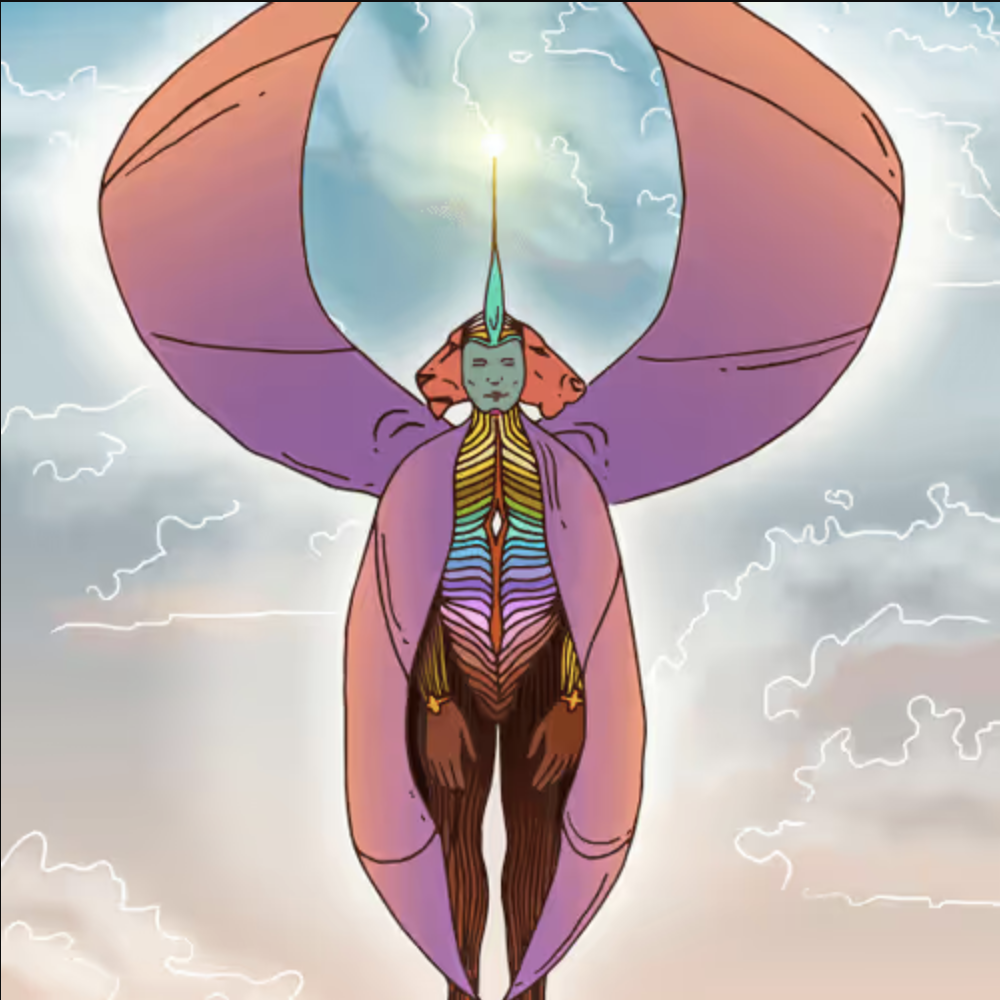
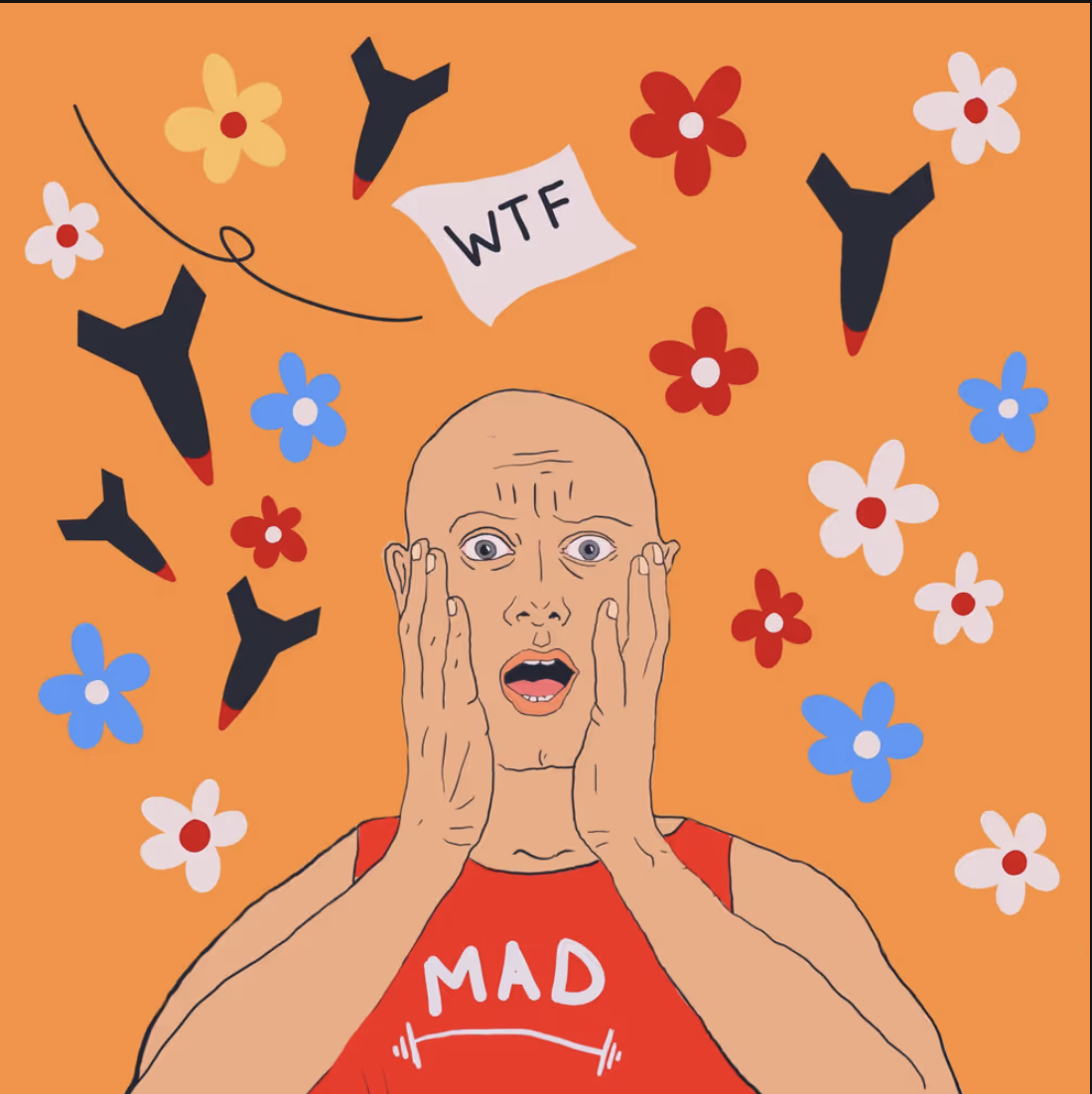
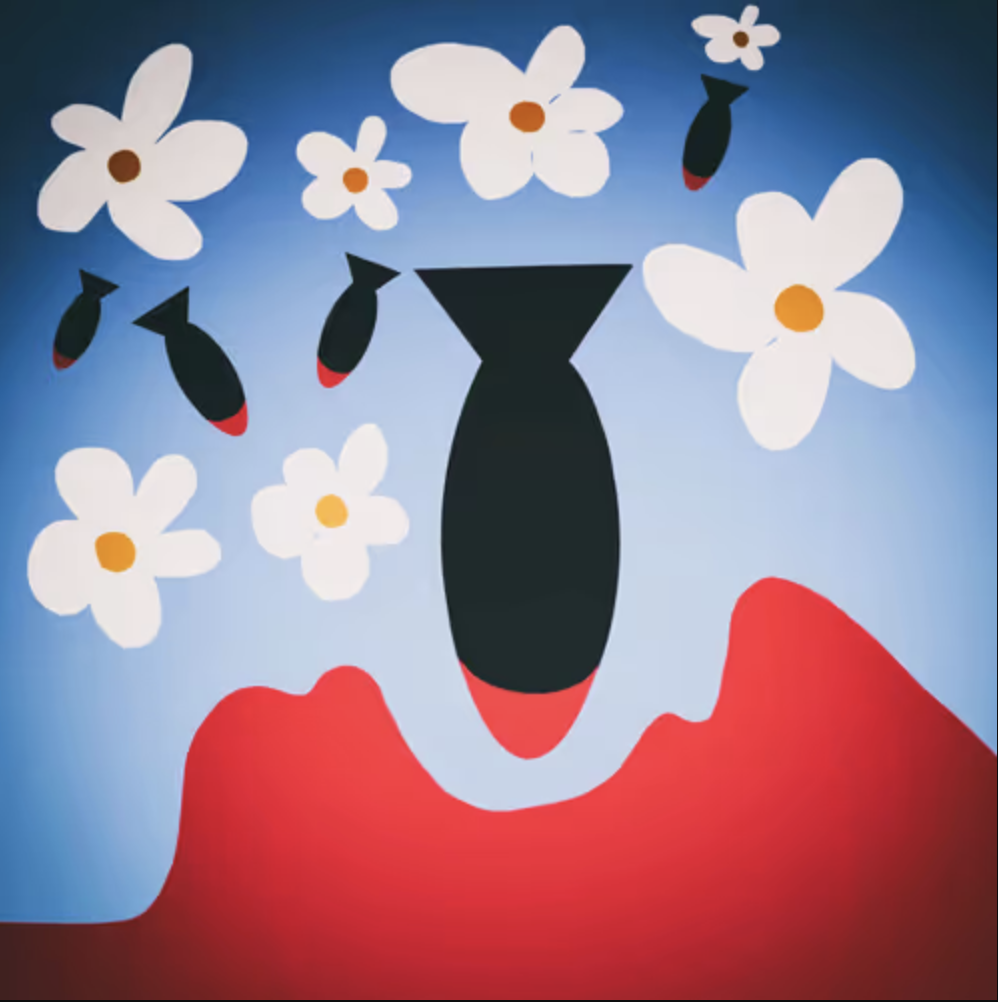
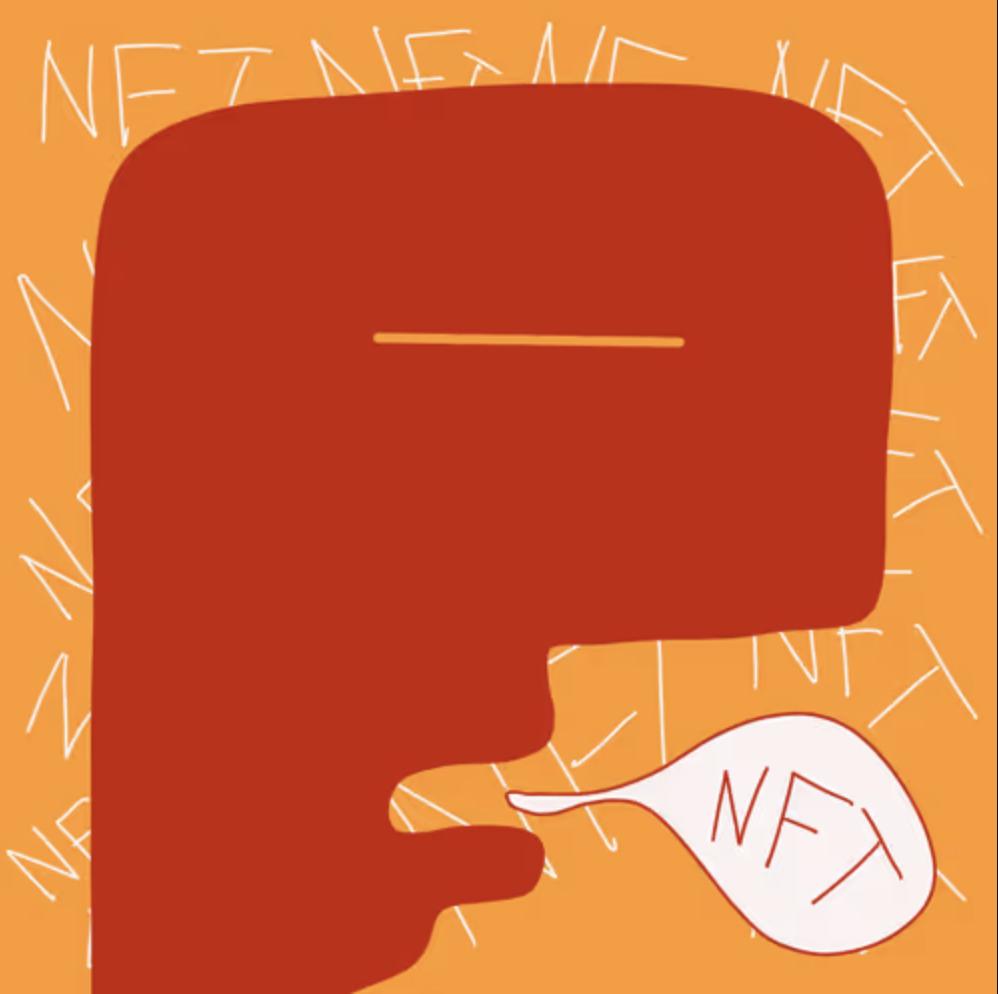
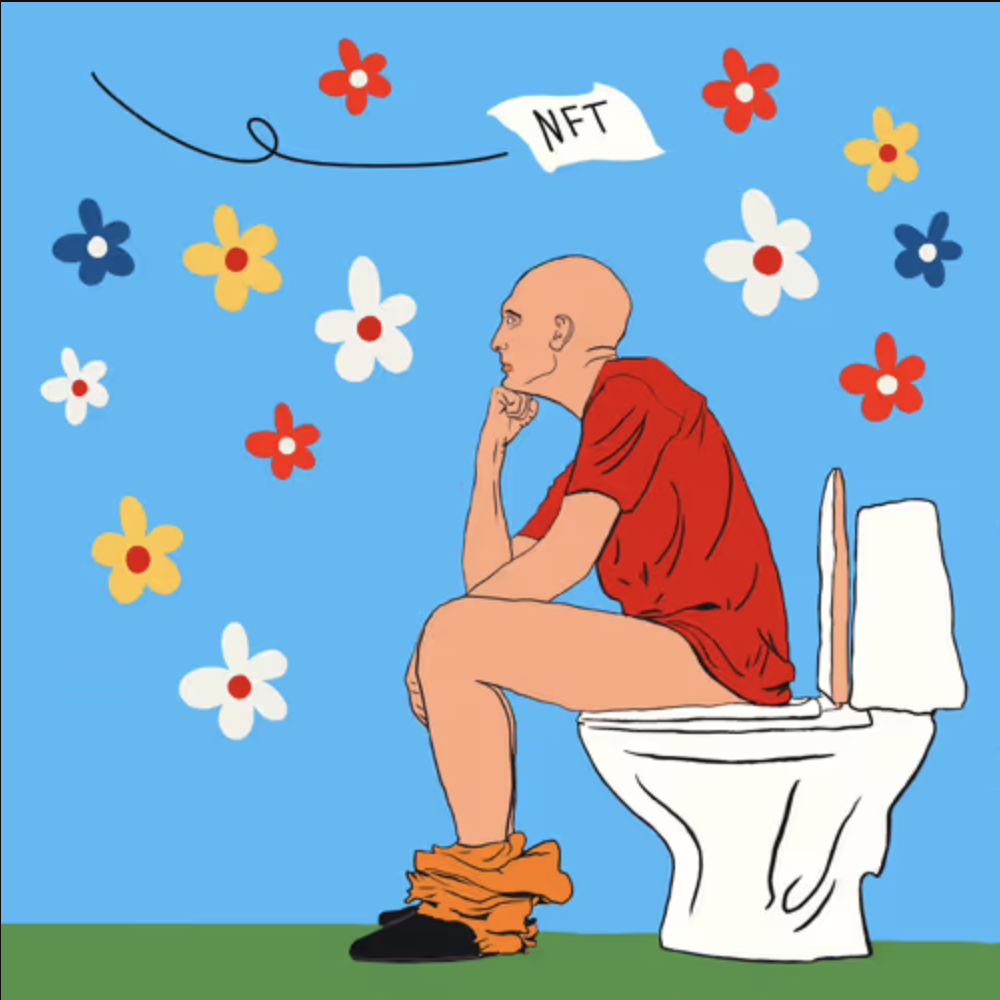


There’s a growing shift toward concept-driven work, rather than trend-driven imagery. Long-term projects, including generative art and evolving digital pieces. Integration with physical exhibitions, bridging online and offline spaces. Institutions that once hesitated are now experimenting more cautiously, trying to understand how blockchain-based ownership might fit into existing frameworks. One of the most important realizations to emerge from the NFT era is this: digital art doesn’t need NFTs to exist—but NFTs changed how it can circulate and be valued. Artists working digitally now have more options, rather than replacing existing systems, NFTs have added another layer one that some artists embrace, others reject, and many approach critically. If the early conversation around NFTs was dominated by hype, the current moment is defined by recalibration. NFTs are no longer the story they’re a tool within it. The artists who continue to work in this space are less interested in quick wins and more focused on what blockchain technology can uniquely offer, like programmability, transparency, and new forms of interaction between artwork and audience. What can artists do with this technology that they couldn’t do before? The NFT boom didn’t revolutionize art so much as expose its fault lines around ownership, value, and access. It forced institutions, collectors, and artists to confront how digital work fits into systems that were never designed for it. Now, with the noise dialed down, something more sustainable is taking shape. Not a gold rush. Not a collapse. Just artists, once again, figuring out how to make something meaningful with the tools available to them.
>>> Back to articles