The Unscripted City: Street Photography and the Art of the Unplanned
There’s a moment fleeting, unrepeatable, when a stranger steps into perfect light, when two gestures align, when the chaos of the street suddenly forms a kind of accidental poetry. Street photography lives in that moment. It doesn’t construct it, direct it, or rehearse it. It notices and captures before it disappears. In an era saturated with images, street photography remains one of the few practices still rooted in unpredictability.
The Idea: seeing without interference. At its core, street photography is about observation. It’s the act of moving through public space with attention sharpened watching how people inhabit the world when they are not performing for the camera. Pioneers like Henri Cartier-Bresson described it as capturing the decisive moment: that split second when form and meaning align. Others, like Garry Winogrand, embraced its chaos, photographing relentlessly to make sense of a rapidly changing society. Unlike studio photography, where control is everything, street photography depends on relinquishing control. The photographer doesn’t create the scene, they recognize it. Street photography resists many of the conventions that define other forms of contemporary image-making. The scene exists independently of the photographer. There are no models, no sets, no second takes. Light shifts, people move unpredictably, and meaning often emerges after the fact. A good street photograph doesn’t always explain itself. It suggests, hints, and leaves space for interpretation. The street becomes both stage and narrative, a place where social, political, and personal stories intersect.
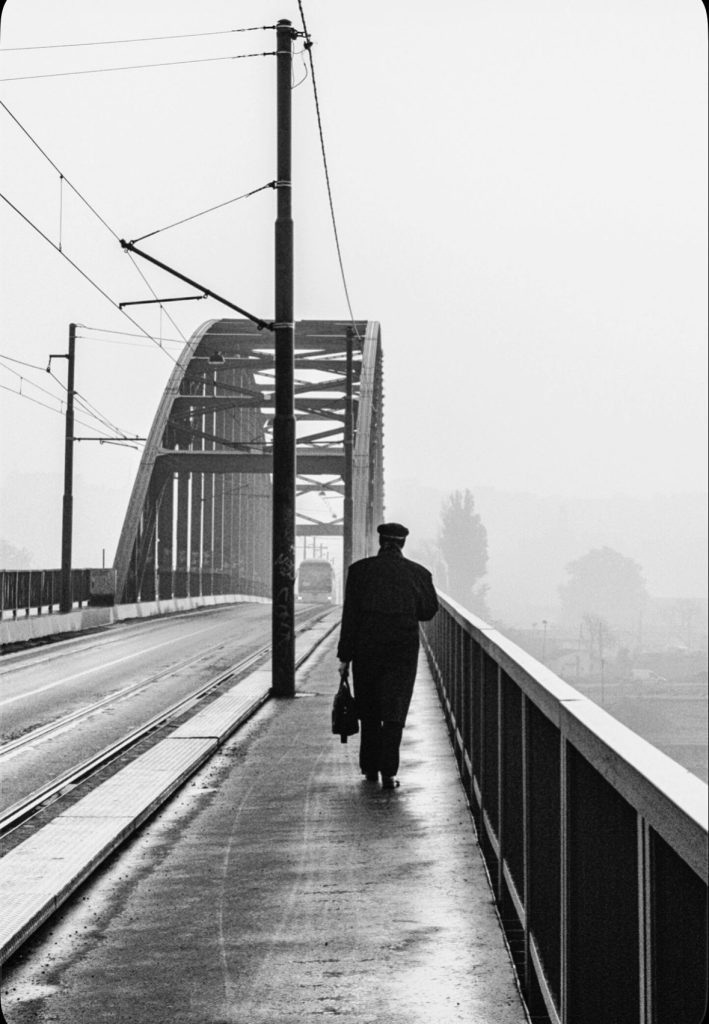
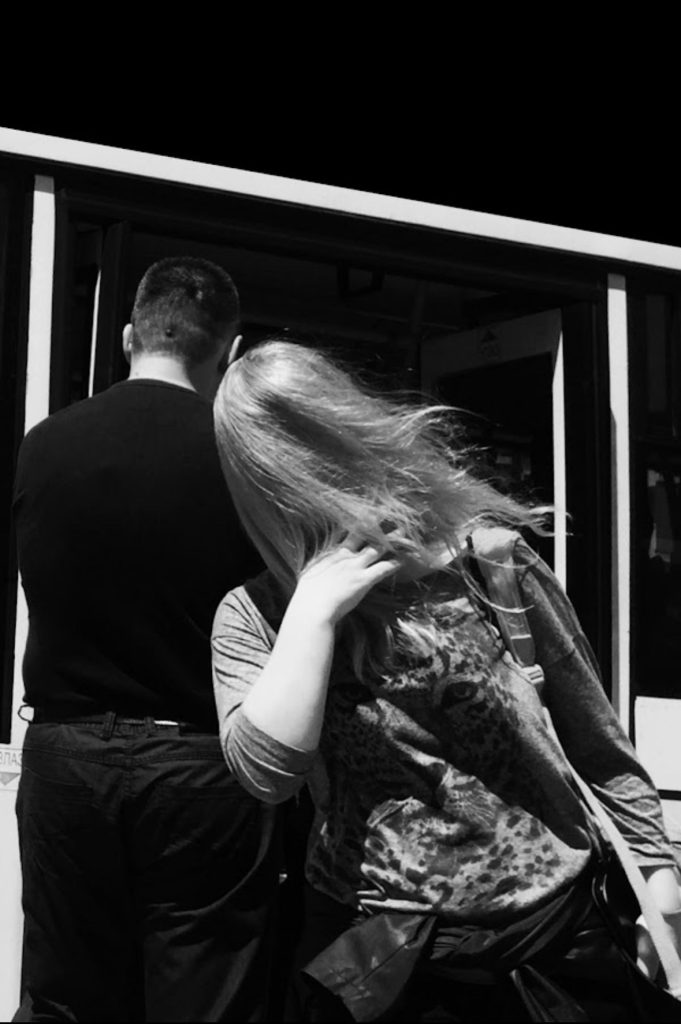
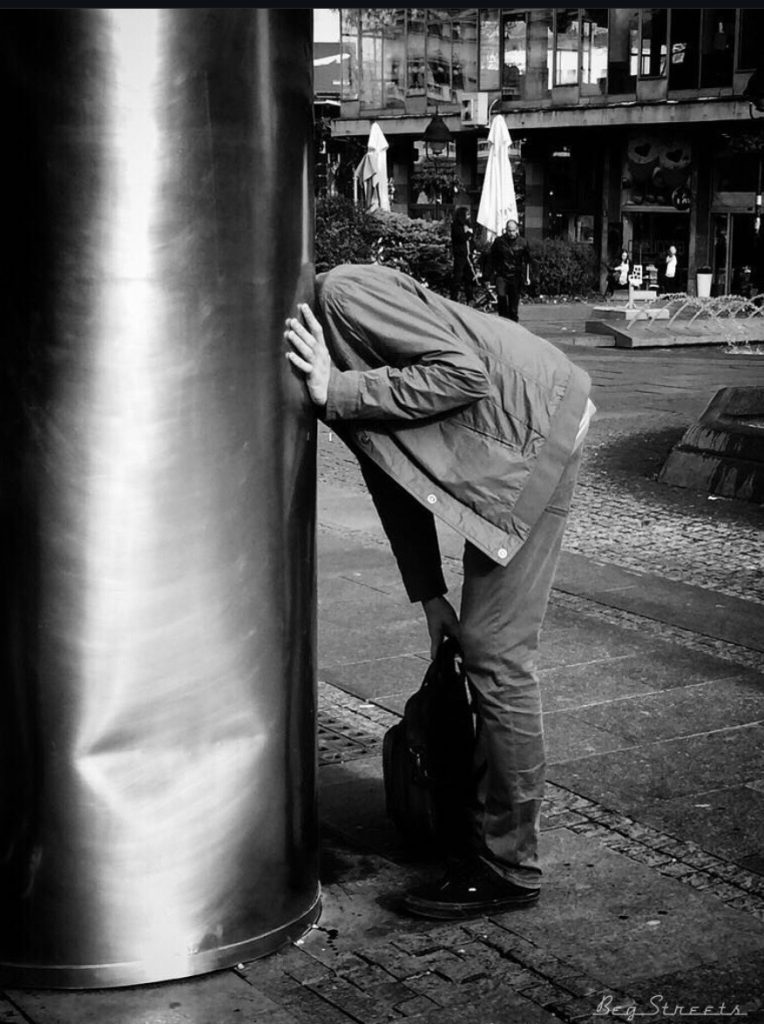
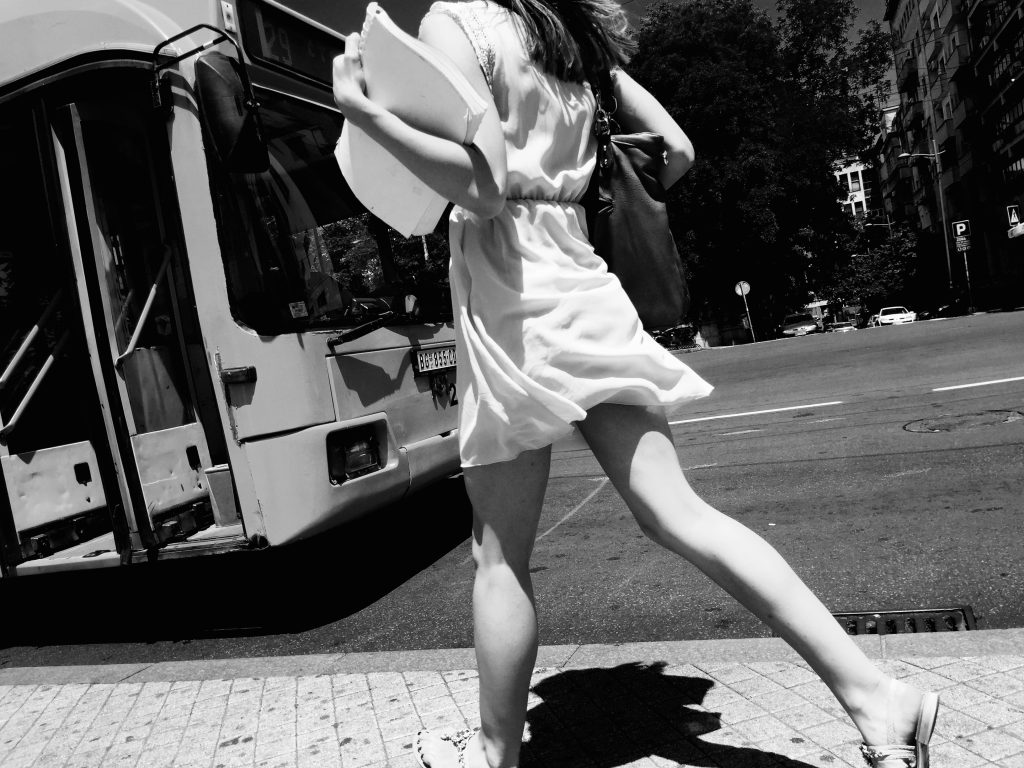
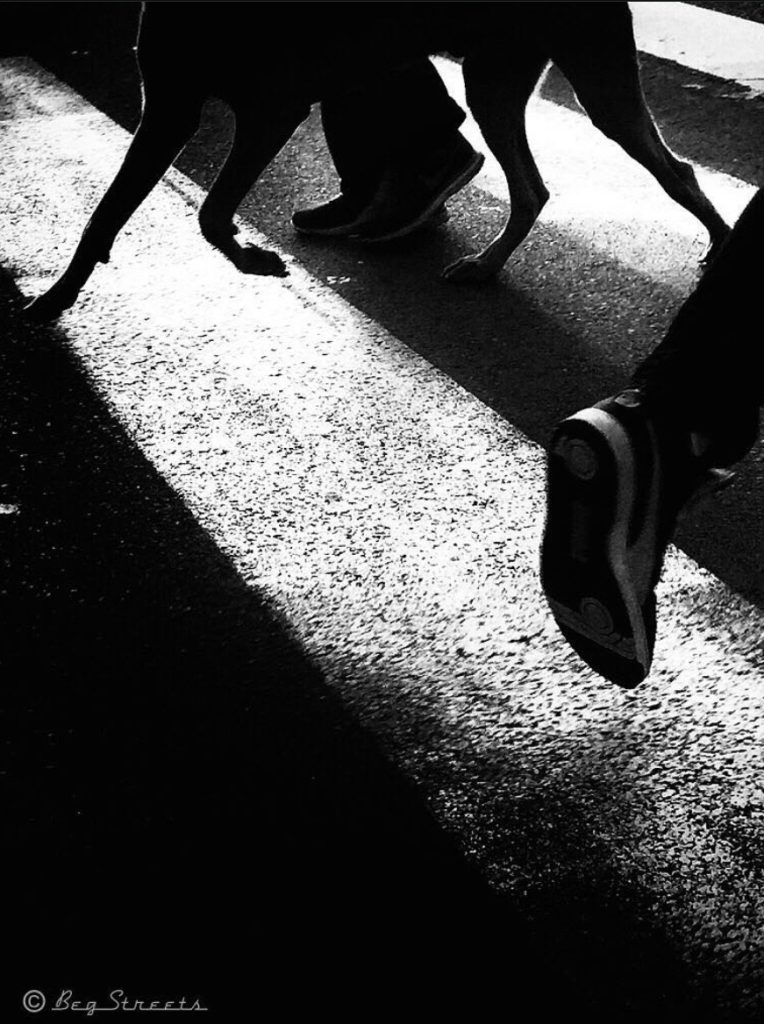
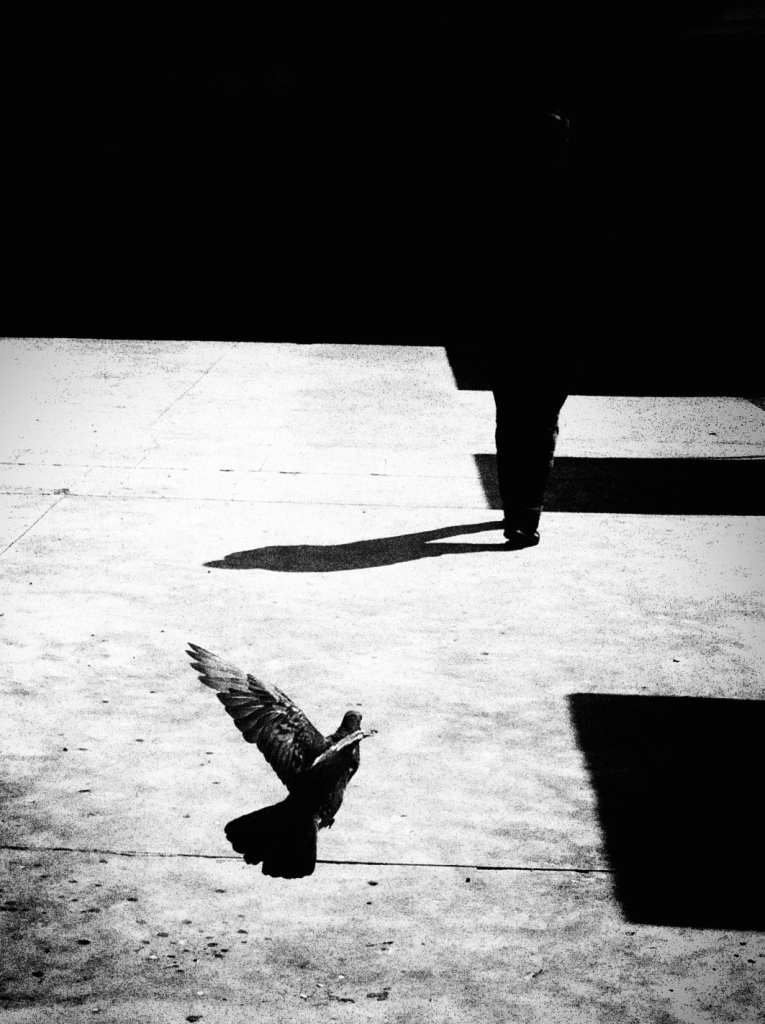
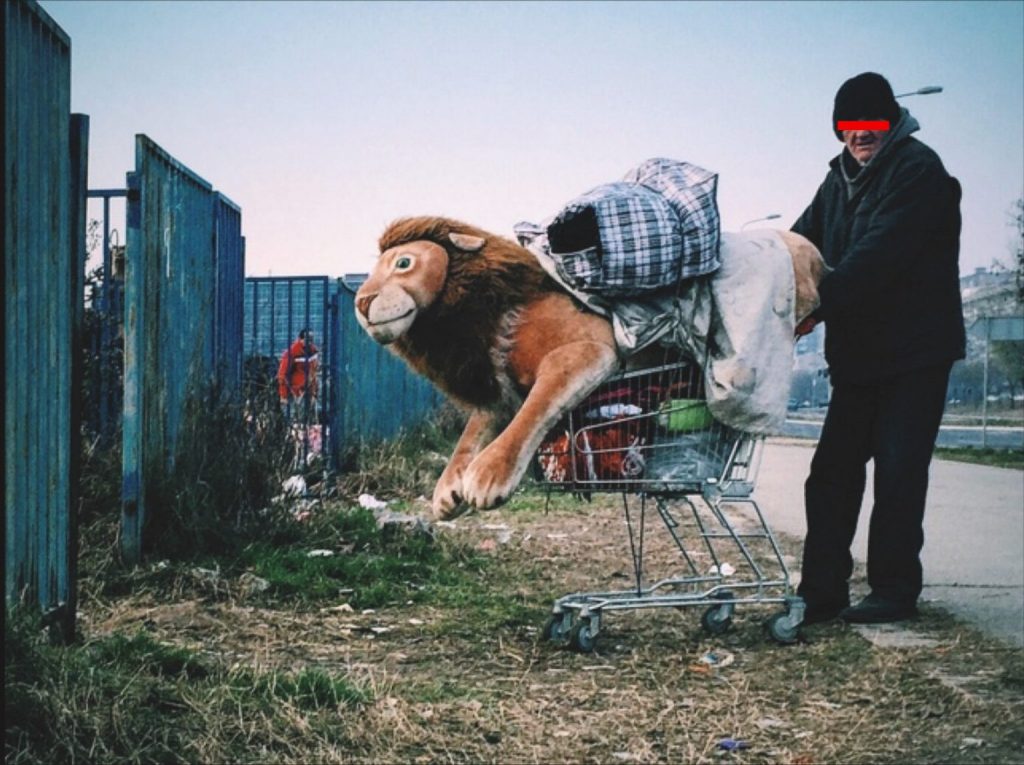
Photographers like Diane Arbus and Joel Meyerowitz expanded the genre, pushing it toward psychological depth and color experimentation, while still maintaining its observational core. Street photography is often described as democratic. Anyone can be a subject. Any moment can matter. But it’s more than that, it’s a record of how we live together. The rhythms of everyday life, contradictions of urban existence and the subtle performances of identity in public. Street photography becomes a kind of visual anthropology. It documents not just what a place looks like, but how it feels to move through it. With its emphasis on candid imagery comes a persistent ethical question: what does it mean to photograph strangers without permission? This tension has always been part of the genre. For some, the lack of consent is essential to authenticity. For others, it raises concerns about privacy, representation, and power. Contemporary street photographers increasingly navigate this boundary with greater awareness, sometimes engaging subjects directly, sometimes rethinking what “candid” means in a hyper-visible world. In today’s art world, much of photography is highly constructed. Large-scale productions, conceptual frameworks, and post-production techniques dominate galleries and institutions. Artists build images rather than discover them. Street photography stands apart from this trend not as an opposition, but as an alternative. Where contemporary art photography often emphasizes: Concept over moment, control over chance and narrative over ambiguity, Street photography insists on: Presence – Timing – and Attention. It doesn’t reject concept, but it embeds it in lived reality rather than imposed structure. The digital age has transformed street photography in unexpected ways. Smartphones have made everyone a potential street photographer. Platforms like Instagram have turned the genre into a global, continuous stream of images. Visibility is easier than ever but so is repetition. At the same time, surveillance culture and increased awareness of privacy have changed how photographers operate in public space. The act of photographing strangers is no longer neutral, it’s loaded with new social meanings. Yet the essence of the practice remains intact: noticing what others overlook. In a culture increasingly shaped by algorithms, curation, and self-presentation, street photography offers something rare: the unedited fragment of reality. It reminds us that not everything is staged. That meaning can emerge without intention. That the ordinary, when seen clearly, is anything but. Photographers like Vivian Maier whose work was discovered only after her death underscore another truth: recognition is not always immediate. The value of this practice often reveals itself over time, as images become records of worlds that no longer exist. Conclusion Street photography doesn’t compete with contemporary art photography in a way it complicates it. It asks different questions. It values different skills. It operates on a different relationship to time, control, and authorship. Most of all, it insists that art doesn’t always have to be constructed to be meaningful. Sometimes, it’s already there waiting, briefly, to be seen.
>>> Back to articles